
Choosing the right educational path for your child is a pivotal decision, especially during the critical years of Classes 6–12. Many Indian parents find themselves weighing the option of enrolling their child in a top boarding school in India (residential school) versus sending them to study high school abroad in countries like the US, UK, or Canada. Both avenues have their own pros and cons, and the best choice depends on your child’s needs and your family’s priorities. In this comprehensive guide, we’ll compare Indian boarding schools vs foreign schools across key factors – quality of education, safety, cost, curriculum, coaching support, emotional well-being, and more – to help you make an informed decision. While we present a balanced view, we will also see why a CBSE boarding school in India (such as Career Point Gurukul) can often be the best-value, holistic choice for high school students.
Boarding School in India vs Studying Abroad: An Overview of Pros and Cons
Before diving into detailed comparisons, let’s take a quick look at the pros and cons of each option:
✅ Pros of Boarding Schools in India:
- Quality Education & Familiar Curriculum: Many top Indian boarding schools offer rigorous academics with national curricula like CBSE or ICSE, ensuring strong fundamentals.
- Integrated Coaching: Some residential schools in India integrate coaching for competitive exams (IIT-JEE, NEET, etc.) into the school schedule, reducing stress for students.
- Safety and Supervision: Boarding schools in India typically provide 24/7 supervised campuses with strict security measures and pastoral care.
- Affordability: Overall costs (tuition, boarding, etc.) are much lower compared to studying high school abroad.
- Cultural Comfort: Students remain in a familiar environment, staying connected to Indian values, languages, and customs while growing independently.
⚠️ Cons of Boarding Schools in India:
- Less International Exposure: Students may get limited exposure to foreign cultures or global learning styles (though many Indian schools now offer exchange programs or international curricula).
- Rigid Curriculum: The Indian school system can be more exam-focused and structured, sometimes criticized for rote learning (though this is changing in modern boarding schools).
- Competitive Pressure: In Class 10–12 especially, there is heavy focus on board exams and entrance exams, which can be stressful – it requires the school to manage student well-being carefully.
✅ Pros of Studying Abroad (High School):
- Global Exposure: Students experience new cultures, languages, and perspectives early on, broadening their worldview and adaptability.
- Holistic Learning: Many overseas high schools emphasize critical thinking, creativity, and extracurricular s (arts, sports, music) as part of the curriculum, not just as “extras” Class sizes abroad are often smaller, allowing more personalized attention.
- Less Exam Pressure: Foreign high school programs (like US high school diplomas, A-Levels, IB) often have a more relaxed approach to Grades 9–12 with continuous assessment, unlike the intense board exam pressure in India. This can mean a more enjoyable learning experience.
- College Application Edge: Studying abroad in high school can strengthen applications to universities overseas – the international experience, strong English environment, and activities might make students stand out.
- Independence: Living abroad at a young age can foster maturity, self-reliance and life skills as students navigate daily life without their parents.
⚠️ Cons of Studying Abroad (High School):
- High Costs: Tuition and living expenses for high school abroad are extremely high for international students. For example, an average high school in the US can cost ₹15–30 lakh per year, far above typical Indian school fees. Even elite boarding schools in India (including international ones) charge much less (often by half or more) for comparable facilities.
- Far from Home: Being thousands of miles away can be emotionally challenging for teenagers. Homesickness, cultural shock, and lack of regular family contact are common issues. Parents also have limited ability to visit or resolve issues quickly.
- Safety and Supervision Concerns: While many overseas schools are safe, Indian parents may worry about different social norms abroad (such as looser discipline, exposure to vices, etc.). The child might not have the same close supervision they’d get in an Indian residential school.
- Mismatch with Indian Exams: If the goal is to crack exams like NEET/IIT-JEE or even to follow a career in India, a foreign high school curriculum might not prepare students for those specific paths. They may miss out on the focused coaching available in India.
- Logistics: Visa paperwork, travel arrangements, guardianship abroad, and adapting to a new education system add extra complexity.
With the overview in mind, let’s delve deeper into each factor that parents care about, comparing boarding school in India vs studying abroad in detail.
Quality of Education and Curriculum Comparison (CBSE vs Foreign Curricula)
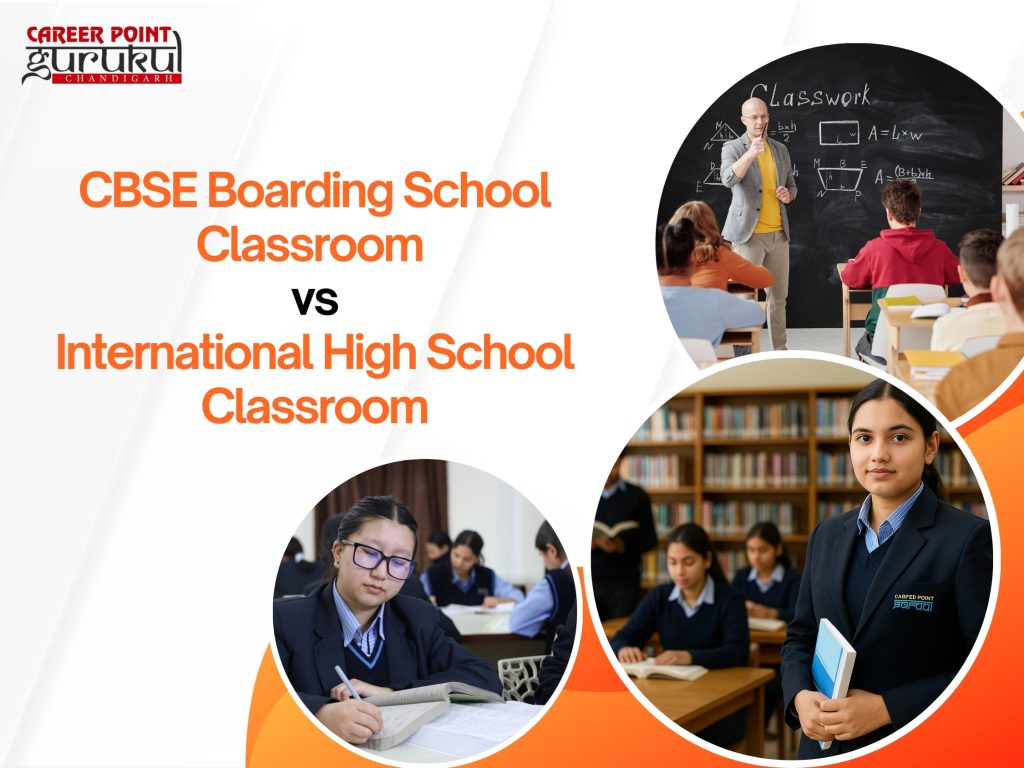
One of the first considerations is the quality of education and type of curriculum your child will follow:
- Academic Approach in India: The Indian education system (e.g., CBSE, ICSE) has traditionally been content-heavy and exam-oriented. It emphasizes strong theoretical knowledge and rigorous practice. This has benefits – Indian schools produce students with solid fundamentals in math and science – but it can sometimes lean towards rote memorization. However, many top Indian boarding schools today are reforming teaching methods to be more interactive and application-based. For instance, they incorporate projects, lab work, and critical thinking exercises alongside the standard syllabus. A CBSE boarding school offers a familiar curriculum recognized across India, which is great if your child might switch schools or if you value a standardized syllabus. CBSE also now encourages a more holistic evaluation with the new education policy.
- Academic Approach Abroad: High schools abroad (whether following the International Baccalaureate, Cambridge IGCSE/A-Levels, or American high school curricula) often adopt a more flexible, student-centric learning style. These systems put emphasis on practical and experiential learning – encouraging students to think critically, participate in discussions, and pursue interdisciplinary projects. There is greater flexibility in subject choices; for example, a student can combine sciences, arts, and languages in the IB diploma or choose varied electives in a U.S. high school. This breadth can help students discover their passions beyond the core subjects. Additionally, foreign curricula typically include coursework, research essays, and presentations as part of assessment, which can build analytical and communication skills.
- Curriculum Content: In an Indian boarding school, your child will likely follow CBSE or a state board until Class 12 (unless the school offers IB/IGCSE streams). CBSE is known for its structured content and is a common choice for students preparing for engineering or medical entrances due to its alignment with those exam syllabi. On the other hand, curricula like IB focus on concept understanding and application. They also require projects like the Extended Essay and CAS (Creativity, Activity, Service), fostering well-rounded development. Both paths can lead to excellent outcomes – the key is what aligns with your child’s future plans. If aiming for Indian universities or entrances, CBSE (with strong coaching support) is advantageous. If aiming for universities abroad, an IB or similar curriculum might smooth the transition (though CBSE students also get into foreign colleges regularly).
- Recognition and Transitions: A practical point – CBSE is recognized by all Indian colleges and many abroad will accept CBSE results with SAT/ACT scores or bridging courses. International curricula are recognized globally, but if your child might come back to India for college or competitive exams, they would need to ensure they meet equivalency criteria (for example, IB Diploma is accepted as equivalent to Class 12 for Indian colleges). Keep in mind that switching boards in the middle of high school can be challenging, so choosing the right curriculum from Class 9 or 11 is important. Many parents choose CBSE for stability, as CBSE residential schools in India allow easy transfers across cities and maintain a consistent standard.
Bottom line: Foreign schools may offer more breadth and liberal learning, whereas Indian boarding schools provide depth and exam-driven rigor. If you want the best of both, note that some premier Indian schools now offer international curricula or global exposure programs on campus. For example, certain schools have tie-ups for student exchange or offer the IB alongside CBSE. Evaluate what style of learning will benefit your child’s learning style and future aspirations.
Safety, Discipline and Pastoral Care
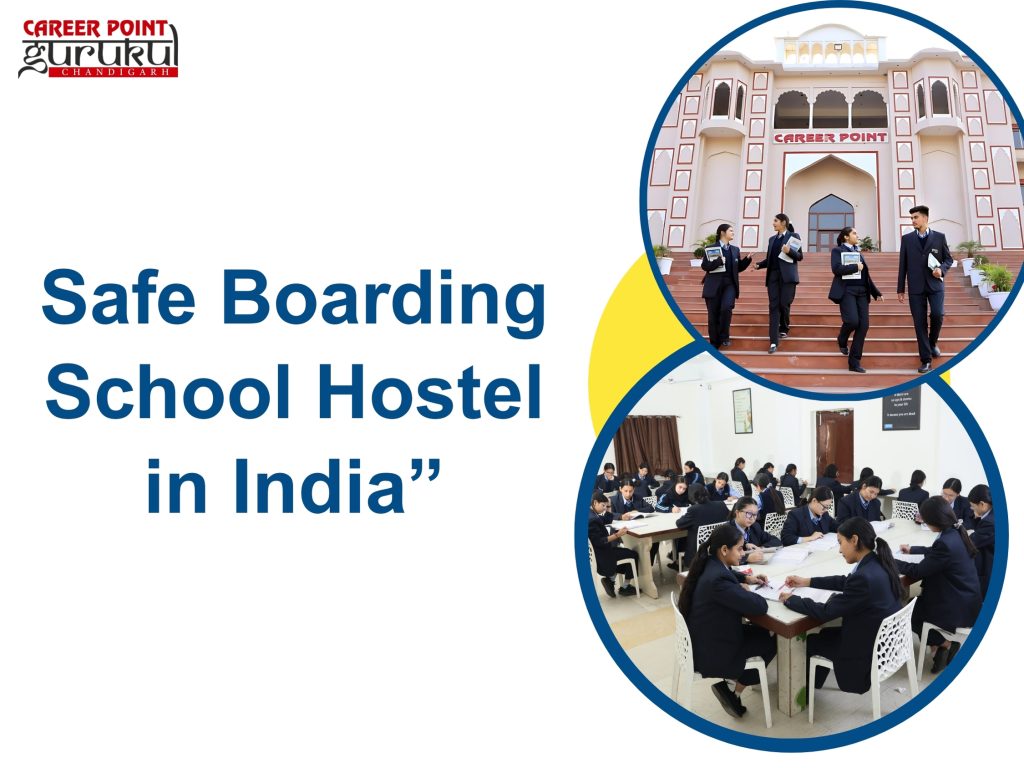
For any parent sending a child away from home, safety and supervision are paramount. Here’s how the two options compare:
- Safety in Indian Boarding Schools: Indian boarding schools put a strong emphasis on student safety and discipline on campus – it’s often a major selling point for them. According to a recent survey, safety and security are the top concerns for parents when selecting a boarding school. In response, the best boarding schools in India have implemented robust safety measures: CCTV surveillance across campus, gated entries with strict visitor protocols, and round-the-clock security staff. Students are supervised in hostels by dorm parents or wardens who ensure children’s well-being. Moreover, boarding schools usually have on-site medical facilities with nurses or doctors available 24/7 for any health needs. The structured routine in Indian schools (fixed study hours, meal times, lights-out, etc.) also keeps children constructively occupied, leaving less room for unsafe activities. Discipline is strongly enforced – things like bullying, substance abuse, or breaking curfew are not tolerated, which gives many parents peace of mind.
- Safety Abroad: Schools abroad also prioritize student safety, but the environment may be less controlled compared to Indian campuses. For example, in Western countries, teenagers generally have more personal freedom – which can be both good and worrisome. If your child attends a boarding school abroad, there will be dorm staff and rules, but likely with a more relaxed approach to discipline (relative to India). If they go abroad on an exchange program or live with a host family, supervision might vary widely. Parents need to consider the maturity of their child to handle situations independently – like navigating public transport, local laws, and cultural differences in what’s considered acceptable behavior. Another aspect is health and diet: will the child have access to familiar food, or receive proper care if unwell? These are areas where a home-country boarding school can sometimes provide more personalized attention.
- Discipline and Values: Indian boarding schools are known for instilling discipline, respect, and values – things many Indian parents deeply appreciate. Students wear uniforms, follow a daily timetable from wake-up to bedtime, do prep (supervised study), and participate in morning assemblies or yoga. This structured life teaches self-discipline and time management. Schools also emphasize respect for teachers and cultural values, with rules that shape behavior. In contrast, high schools abroad might address students more casually and encourage free expression – which fosters independence but might come off as too lax for some parents’ liking. Neither approach is right or wrong, it’s about what environment will shape your child best. Indian parents often feel more confident about moral and emotional safety in an Indian school environment, where teachers and wardens act as strict but caring guardians.
- Emotional Support: A good boarding school becomes a “second home.” In India, these schools often assign mentors or “house parents” who look after a child’s personal issues. Many have counseling services to help students cope with homesickness or stress. Because the cultural context is shared, a child might find it easier to open up about any problems. Abroad, emotional support is available too (counselors, support groups), but a child may or may not seek it due to being in an unfamiliar culture. Time zone differences also mean when your child is having a tough day, you as a parent might not be immediately reachable.
In summary, Indian boarding schools prioritize safety and discipline highly, aligning with what most Indian parents expect. Studying abroad can offer a safe environment as well, but it requires ensuring the school’s pastoral care is strong and that your teenager is prepared for a more independent life. Always research specific schools: look at student–teacher ratios in hostels, talk to current parents if possible, and ensure the school (whether in India or abroad) has clear policies against bullying and a system to keep you informed of your child’s well-being.
Cost and Affordability Considerations
One of the most significant differences between choosing a boarding school in India and sending your child abroad is the cost involved. The financial aspect can often be the deciding factor for families:
- Cost of Boarding School in India: Boarding schools in India come in a range of fees – from affordable to very premium – but nearly all will be more affordable than a high school abroad of comparable quality. A mid-range boarding school (good academics and facilities) might cost anywhere between ₹2–5 lakhs per year in tuition and boarding. Top elite boarding schools or those with international curricula could be in the range of ₹6–12 lakhs per year (some exceptional ones maybe a bit higher). For example, even international boarding schools in India that follow IB and have foreign faculty charge around ₹15–22 lakhs per annum at the high end. Traditional Indian boarding schools with CBSE typically charge less than this. These fees usually cover tuition, lodging, meals, and basic amenities. When considering Indian schools, also factor in additional coaching fees (if not integrated), uniform, and personal expenses, but overall it remains within a manageable range for many middle-class families (especially compared to foreign costs).
- Cost of High School Abroad: Studying high school overseas is expensive. There’s no way around it – you’ll be paying international student tuition rates in most cases, which are steep. For instance, a typical private high school in the United States can cost anywhere from $20,000 up to $50,000 (₹16–40 lakh) per year. The average can be around ₹15–30 lakh annually for tuition alone, as one report noted. Boarding schools in the UK are similarly costly; one famous example is Harrow School in the UK, which has annual fees of around £53,000 (approximately ₹60 lakh). Even day school programs abroad, if you go that route, incur high living costs for host family or dorm arrangements. Beyond tuition, parents must budget for living expenses (food, transport, health insurance, books, winter clothing, etc.), flights to and from India, visa fees, and possibly a guardian’s expense if the child is a minor. Scholarships for high school abroad are rare (more common at college level), so most of the cost is out-of-pocket.
- Value for Money: When comparing costs, consider the value you are getting. An Indian boarding school education gives a full package (academics, boarding, supervision, exam prep) at a fraction of the cost of a foreign school. If your child thrives there, you might save your budget for funding their college education abroad, which is where many parents prefer to invest heavily. On the other hand, if you have the means and specific goals (e.g., a particular sports training or a path into an Ivy League via a U.S. prep school), you might justify the high school abroad expense. Remember also that some Indian boarding schools now deliver international-level education within India. For example, campuses of foreign schools in India or top Indian schools with IB can give global exposure at lower cost – the new Harrow International School in Bengaluru charges about ₹22 lakh per year, which is expensive by Indian standards but still one-third of its UK counterpart for a similar program.
- Hidden Costs & Financial Considerations: With a child abroad, unforeseen costs can arise – emergency trips home, a parent needing to fly over if the child is ill, or additional coaching/tutoring if the child needs help adjusting academically. Currency fluctuations can also impact your budget since you’ll be spending in dollars/pounds. In contrast, when your child is at a boarding school in India, it’s easier to predict costs and there’s reassurance that if anything happens, you can reach them quickly without international travel.
In conclusion, studying abroad in high school is a significant financial commitment that only some families can sustain. Indian boarding schools generally offer much better affordability while still delivering quality education. Many parents find that they can get excellent results by opting for a good Indian residential school (even if it’s a bit premium) and then plan for study abroad at the undergraduate level when scholarships and loans are more readily available. This way, the child gets a strong foundation at lower cost and still has the opportunity for international exposure later.
Coaching Support and Entrance Exam Preparation (NEET/IIT-JEE vs SAT/ACT)
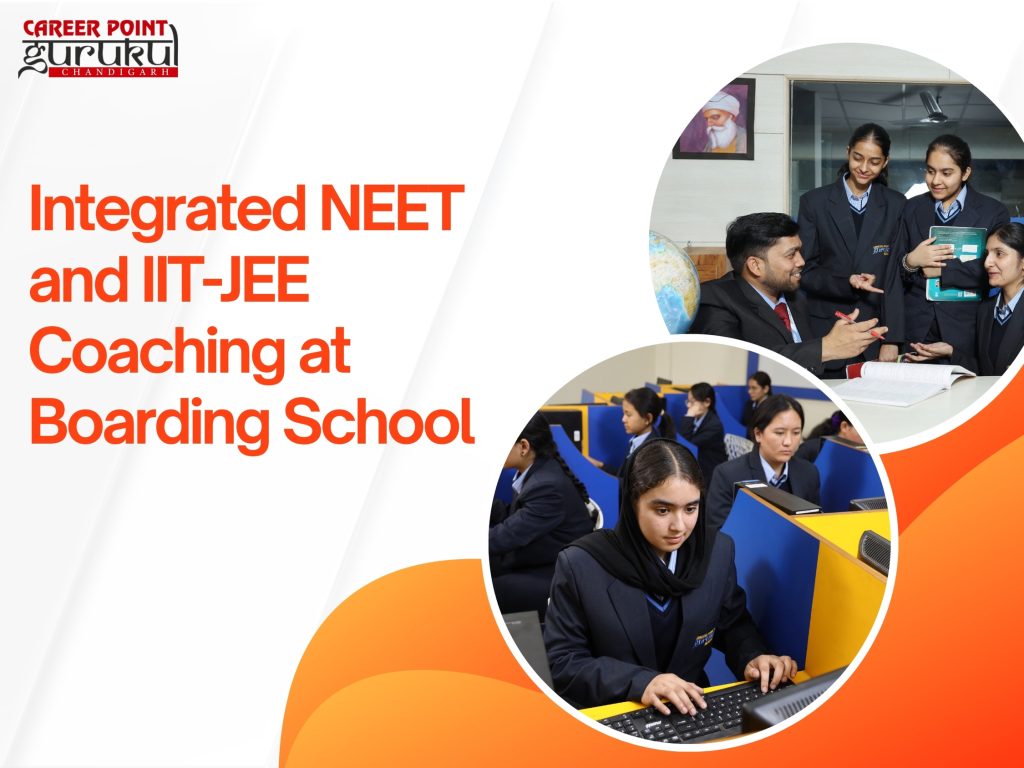
For parents of students in Classes 9–12, a crucial consideration is how the schooling choice will affect preparation for competitive exams and future college admissions. This often comes down to the support for entrance exams like IIT-JEE, NEET, etc. in India versus standardized tests for abroad like SAT/ACT.
- Boarding Schools in India – An Edge in IIT-JEE/NEET Preparation: If your child aspires to crack the IIT-JEE (engineering) or NEET (medical) or other competitive exams (NTSE, KVPY, Olympiads), an Indian boarding school might serve them best. Many top boarding schools, especially those known as integrated coaching schools, blend regular schooling with targeted coaching for these exams. For example, Career Point Gurukul in Kota is a prime illustration – it is a fully residential CBSE school that focuses on preparing students for IIT-JEE and NEET alongside the board curriculum. Such schools have experienced faculty from reputed coaching institutes on campus, providing specialized training, doubt sessions, and test series as part of the routine. The benefit here is the student does not need to juggle school and separate coaching classes – the timetable is synchronized to cover both board syllabus and competitive exam syllabi efficiently. They also get ample peer group motivation, as classmates are working toward similar goals. By the time Class 12 ends, these students are battle-ready for entrance exams while having completed their CBSE exams with good scores.
- Studying Abroad – Focus shifts to Different Exams: On the other hand, a student doing high school abroad will usually be gearing up for college admission abroad. Instead of JEE/NEET, their focus might be on exams like the SAT/ACT (for U.S. college admissions) or other entrance criteria for international universities (which often emphasize school GPA, essays, AP courses or IB scores, etc.). There is virtually no support for IIT-JEE or NEET in foreign high schools – naturally, as those exams are India-specific. If a student abroad later decides to attempt Indian competitive exams, they would likely need a gap year or extra self-study to cover the vast syllabus. Conversely, students abroad might prepare for SAT, TOEFL/IELTS (for English proficiency) and even take Advanced Placement (AP) courses to earn college credits. If your plan is for your child to attend university overseas right after high school, this path can align well. But if there’s any chance your child might go for Indian professional colleges, a foreign high school can put them out-of-touch with the entrance exam race.
- Integration of Schooling and Coaching: A residential school in India with integrated coaching offers a structured environment where academic classes and coaching classes are under one roof. This integration not only saves time (no commuting to coaching centers) but also ensures consistency in teaching methods and balanced pacing so students don’t burn out. Homework and practice tests are coordinated. Schools like CP Gurukul, for instance, even have specially designed schedules for Class 11–12 science students, providing extra hours for problem-solving practice and revision. For competitive exams that are highly competitive (like JEE where millions compete for a few thousand seats), this immersive preparation environment can be a game-changer.
- Guidance for College Admissions: It’s worth noting that good Indian boarding schools now also recognize that not every student will stay in India for college. Many have counseling cells to guide students for both Indian entrance exams and foreign college applications. For example, some schools help students prepare for SAT exams or build strong resumes with extracurriculars and projects if they wish to apply abroad. Career Point Gurukul even has a dedicated Study Abroad division on campus to support students aiming for overseas universities (providing SAT coaching, application guidance, etc.). This means by staying in India, a student might actually get the best of both worlds – coaching for Indian exams and mentorship for foreign applications – without having to be physically abroad in high school.
In summary, think about your child’s long-term goals. If becoming an engineer/doctor via the Indian system is on the cards, the best boarding schools in India give them the infrastructure to excel at those tough exams. If your child is inclined towards going abroad for higher studies or a field that doesn’t require Indian entrances, ensure whichever school you choose (in India or abroad) provides the right guidance (be it SAT prep or portfolio building). A balanced approach taken by some Indian residential schools is appealing: they keep students prepared for Indian options while keeping the door open for global opportunities.
Extracurriculars and Holistic Development
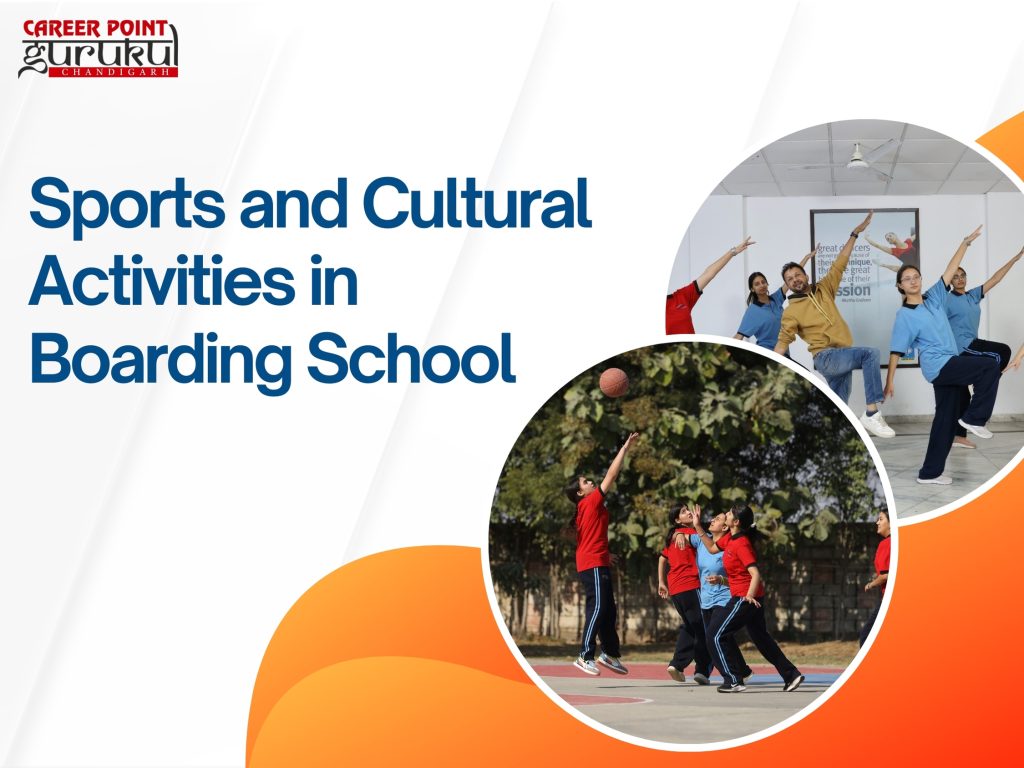
Academic learning is only one part of a child’s development. Parents also care about sports, arts, leadership opportunities, and overall personality growth. Let’s see how Indian boarding schools versus foreign schools fare in providing a holistic education:
- Holistic Growth at Indian Boarding Schools: The stereotype that Indian schools only care about academics is increasingly outdated, especially at reputed boarding institutions. Today, good boarding schools in India focus on the whole child – “head, heart, and hands,” as one school puts it. This means that along with academic excellence, they emphasize sports, cultural activities, and life skills. Most campus-based schools have extensive facilities: playgrounds for cricket, football, athletics tracks, swimming pools, and courts for sports like basketball or tennis. They also run clubs for debating, drama, music, dance, and even hobbies like photography or coding. Boarding students have the advantage of time – since they live on campus, their evenings and weekends can be filled with structured activities and competitions. Many schools have house systems and organize inter-house competitions in sports, quizzes, theatre, etc., building teamwork and leadership. Furthermore, being in a residential setup teaches students practical life skills – keeping their room tidy, managing time, cooperating with peers – which day scholars might not learn as readily. Indian schools also often weave in values and community service (some have mandatory social service or rural outreach programs, inspired by principles of giving back). In summary, a child in an Indian residential school can emerge as a disciplined, multi-talented individual with strong academic and moral grounding.
- Holistic Growth at Schools Abroad: Foreign high schools often naturally integrate extracurriculars into their curriculum. For example, in the U.S., students must earn credits not just in academics but also often participate in community service or elective arts classes to graduate. They may have opportunities like school publications, orchestra, robotics teams, or internship programs which sometimes are less common in the Indian context. One big plus abroad can be the availability of niche activities – say, a wider variety of sports (like baseball, skiing, etc. depending on the country) or advanced arts (professional-level ballet, sculpting, etc.). If your child has a very specific passion, you might want to see which environment nurtures it. The “wide range of subjects including music and fine arts” is cited as a major reason some Indian parents send kids abroad, because these interests are often part of the main curriculum there. Also, exposure to international peers means your child might learn new viewpoints and pick up soft skills like cross-cultural communication and adaptability.
- Facilities and Resources: Generally, elite schools abroad are very well-resourced – science labs with cutting-edge equipment, libraries with vast collections, and funding for student-led initiatives. However, top Indian boarding schools also boast excellent infrastructure nowadays: modern labs, smart classrooms, auditoriums, and even tie-ups with international organizations for exchanges or competitions. In fact, international boarding schools opening in India (like Wellington College, Shrewsbury, etc.) combine global curriculum with local relevance, showing that you can access world-class education on Indian soil.
- Competition and Opportunities: In India, the competition in extracurriculars can be fierce but motivating – e.g., inter-school sports meets, national Olympiads, etc. Students in boarding schools often get additional coaching for sports or arts as part of the schedule (morning PT, evening games). Studying abroad might provide opportunities like participating in international science fairs, Model United Nations with a diverse cohort, or even part-time jobs/volunteering that broaden experience (something generally not possible for school kids in India).
Both environments can offer great holistic growth, but the key is to choose a school (anywhere) that genuinely prioritizes all-round development and not just marks. From a cultural standpoint, Indian boarding schools might inculcate certain values (respect for elders, resilience through disciplined living, etc.), while abroad schools might encourage outspoken confidence and self-advocacy. Ideally, you want your child to have a mix of these traits. If you feel an Indian boarding school is too restrictive, look for one known for a balance of freedom and discipline. If you feel a foreign school might be too unstructured, ensure there is enough guidance and that your child’s personality suits that independence.
Emotional Well-being and Family Connection
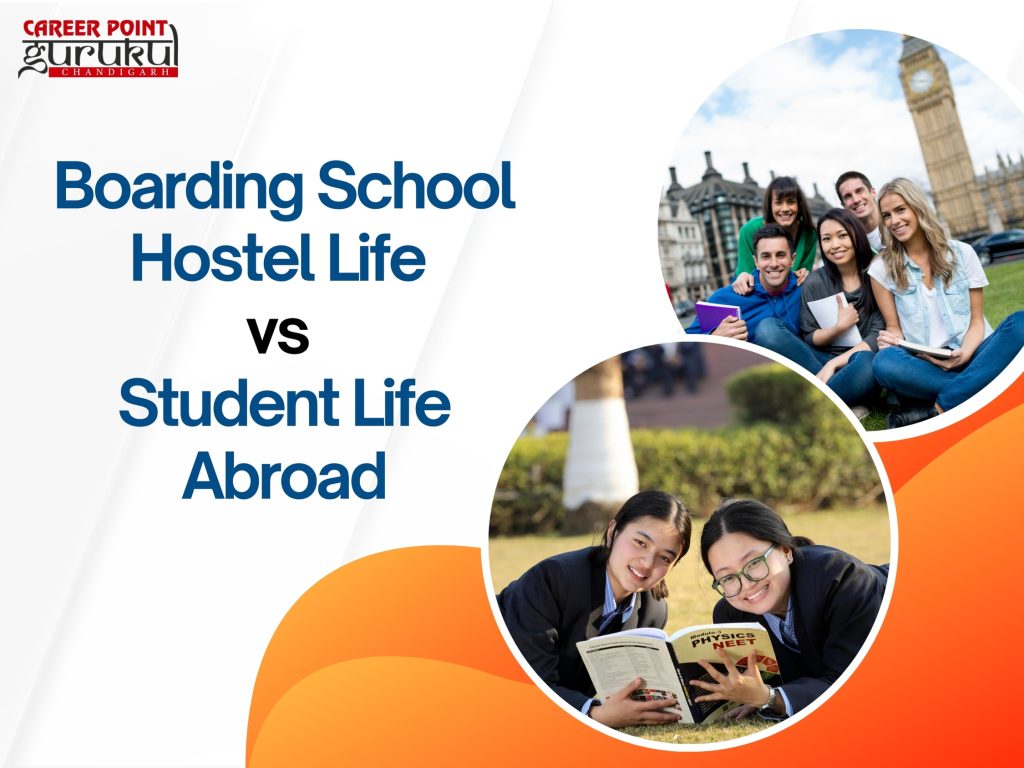
A child’s emotional well-being is deeply tied to their environment, support system, and sense of belonging. Parents often worry about how their child will cope away from home, whether in a hostel nearby or in a different country entirely.
- Emotional Support in Indian Boarding Schools: Indian parents often describe a good boarding school as a “home away from home.” These schools strive to create a familial atmosphere – teachers and wardens take on mentor roles, older students buddy up with younger ones, and cultural festivities are celebrated so that students don’t feel they are missing out. Because everyone is from similar backgrounds (more or less), children find it easier to make friends and relate to peers. Homesickness is natural in the initial weeks, but schools arrange regular phone calls home and even allow parents to visit on designated weekends or school events. With technology today, your child can video-call you during free time, so staying in touch is easier (many schools have fixed hours when students can use their phones or the school phone to call home). Importantly, being in the same country means if there’s a family emergency or an important occasion, the child can travel home relatively quickly (overnight train or a 2-hour flight vs. a 20-hour intercontinental journey). Culturally, Indian boarding schools also ensure that students remain connected to their roots – for instance, they might celebrate Diwali together, have special meals on festivals, etc., which gives a sense of comfort and continuity.
- Emotional Challenges Abroad: If your teen goes abroad, they will experience a period of adjustment that can be both exciting and emotionally tough. Culture shock can hit in various ways – from missing Indian food to adjusting to a different classroom culture, or even the way friendships and social life work in the new country. Some students thrive in this novelty, becoming more independent and outgoing. Others may feel isolated or overwhelmed, especially if they face any form of discrimination or difficulty fitting in. Without the immediate closeness of family, the child must rely on school counselors, host families, or their own coping skills to deal with stress. Time zone differences mean calls home might be infrequent or at odd hours. As a parent, not being able to see your child for months at a stretch can be hard for you as well as for them. Teen years are formative, and some parents fear that sending kids abroad too early might lead to a generation gap in values or emotional distance. That said, many children do develop strong bonds with their host families or dorm mates abroad, effectively creating a “second family.” It really depends on personality and support. One way to mitigate homesickness is to plan for your child to visit home at least once a year (during summer or winter break) and perhaps for you to visit them as well if possible.
- Developing Independence vs. Guidance: There’s a balance to strike between giving your child independence to grow and ensuring they don’t feel “abandoned.” Boarding schools in India gradually nurture independence but within a protected environment – students learn self-care and responsibility in a place where rules and support systems exist. Abroad, a teenager might face adult-like independence immediately: doing laundry, managing money, commuting alone, etc. This can mature them quickly, but it can also cause stress if they’re not ready. Emotional maturity is a key consideration: ask yourself if your child is mentally and emotionally prepared to handle challenges on their own. Some 15-year-olds are very resilient and adaptable; others might struggle without close supervision. If in doubt, a stepping stone could be to first try an Indian boarding school for a couple of years to build resilience, then consider foreign education for later years or college.
- Peer Influence and Personal Growth: An interesting point on emotional well-being is peer influence. In a positive boarding environment, peers motivate each other in studies and personal growth. In fact, one research study found that 78% of boarding school students reported positive peer influence, compared to 49% in non-residential schools. Living together creates a camaraderie – like a big family of brothers/sisters – which can boost confidence and social skills. Of course, peer influence can be negative too if not monitored, but good schools keep an eye on this. Abroad, peer influence will expose your child to international perspectives; they might become more open-minded, but also might pick up habits or attitudes that you need to discuss and guide. Maintaining open communication is crucial in either scenario.
In essence, emotional well-being can be maintained in both settings with the right support. Indian boarding schools offer a closer-to-home comfort zone and a gradual nurturing of independence. Studying abroad offers a jump into global citizenship and self-reliance. Know your child: if they have always been eager to explore and are emotionally robust, they might relish studying abroad. If they value closeness and thrive with guided care, they might do better in an Indian boarding setup during their teens. Either way, ensure there are mentors or counselors available, and keep your communication frequent and encouraging.
Making the Right Choice: What’s Best for Your Child?
After examining all these facets – quality of education, safety, cost, curriculum, coaching, extracurriculars, and emotional factors – it’s clear that both options have unique advantages. However, the decision ultimately hinges on your child’s individual needs and your family’s priorities:
- If you prioritize a safe, structured environment, affordability, and alignment with Indian competitive exams or universities, a top boarding school in India is a compelling choice. Your child can receive quality CBSE education, enjoy a disciplined yet nurturing routine, prepare for exams like IIT-JEE/NEET with school-integrated coaching, and still partake in sports and cultural activities. All this while staying connected to home values and at a much lower cost than sending them abroad.
- If you value global exposure, a diverse curriculum with broad subject choices, and are aiming for international universities, you might lean toward sending your child to study abroad for high school. The experience could make them more independent and globally aware at an early age. Just be sure the benefits outweigh the costs and challenges, and have a solid support plan in place for your child overseas.
For many Indian parents, there is a middle path emerging as well: choosing an international-style boarding school in India. These are institutions within India that offer international curricula (IB/A-Levels) or have collaborations with foreign schools. They provide a global outlook and maybe even a mix of student nationalities, yet keep your child closer to home.
Why a Top Indian Boarding School like Career Point Gurukul Stands Out
If you are inclined towards the Indian option but still want a holistic, future-ready education for your child, consider looking at schools such as Career Point Gurukul (CP Gurukul). This school encapsulates many of the advantages we discussed:
- Holistic Academics: CP Gurukul is a fully residential CBSE boarding school (Classes 6–12) known for excellent academics. Classrooms are modern, and teaching methodology is interactive – aiming to ignite curiosity rather than rote learning. The curriculum is balanced with ample co-curricular activities, from sports to science exhibitions, ensuring all-round development.
- Integrated Coaching: Uniquely, CP Gurukul integrates career coaching within the school schedule. It has expert faculty (from the renowned Career Point coaching institute) on campus to train students for IIT-JEE, NEET, Olympiads, NTSE and other competitive exams. This means your child does not need to look for external tuitions; they will get top-notch coaching alongside regular schooling, all in one place. It’s a huge stress reliever for students and parents alike.
- Safety and Pastoral Care: The school is situated in a secure campus in Kota with 24×7 supervision. They maintain a disciplined routine (including supervised self-study periods) but also provide personal mentors to each student for guidance and emotional support. With a fully residential setup, staff members closely monitor each child’s well-being. The environment is friendly and “home-like” with separate hostel facilities for boys and girls, wardens, and even routine medical check-ups at the campus health center.
- World-Class Facilities: CP Gurukul offers facilities comparable to many international schools – well-equipped science and computer labs, a rich library, sports complex for games like basketball, volleyball, football (where their teams have won medals), and even a multi-language lab where students can learn foreign languages like French and Spanish. Such features ensure students get a global outlook and skillset while in India.
- Results and Reputation: The school has a track record of strong board exam results and competitive exam selections (thanks to the integrated approach). At the same time, its students engage in life-skill development, cultural events, and leadership activities on campus, making them confident and well-spoken individuals. It’s truly a place where a student can grow academically, personally, and socially.
- Best-Value Proposition: Compared to the exorbitant cost of an overseas high school, CP Gurukul (and similar Indian boarding schools) provide tremendous value. You invest in a holistic education environment without breaking the bank. The return on this investment is seen in your child’s achievements and character development. In essence, you’re getting an all-in-one package – school + coaching + boarding – at a fraction of the cost of schooling abroad or even separately attending coaching in Kota (which many students do by living in hostels on their own).
In subtle ways throughout this article, the scales tip in favor of boarding schools in India for many scenarios, especially when considering schools like CP Gurukul that have evolved with the times. They offer an excellent compromise: your child gets a safe, value-based education with global inputs and competitive exam readiness built in. Many parents find this a win-win.
Call to Action: If you are a parent evaluating these options, take the time to visit a few top Indian boarding schools. Talk to the faculty, see the campus life, and gauge the happiness of students there. For instance, Career Point Gurukul welcomes parents to tour the campus – you can see firsthand how academics, sports, and coaching all coexist seamlessly. Making an informed choice is key. Remember, the goal is to find a place where your child will thrive academically, stay safe and healthy, grow in character, and be prepared for a bright future. A great boarding school in India can certainly provide all of that.
FAQs
Q1. Is it better to send my child to a boarding school in India or abroad?
There is no one-size-fits-all answer – it depends on your child’s needs and your family’s goals. Boarding schools in India are better if you want a structured, disciplined environment with Indian curriculum (like CBSE) and possibly coaching for exams like IIT-JEE/NEET. They are also far more affordable and keep your child closer to home. Studying abroad in high school offers global exposure, a different learning style, and could be beneficial if your child plans to attend university abroad. However, it comes with high costs and means your child lives far from you at a young age. Many parents find that a top Indian boarding school provides an ideal balance of quality education, safety, and holistic growth without the downsides of distance and expense.
Q2. What are the pros and cons of studying abroad during high school for an Indian student?
Pros: Exposure to new cultures and languages, development of independence, access to diverse subject choices and extracurriculars, and an edge in foreign university admissions (since the student is already adapted to an international system). It can be a life-changing experience that broadens the mind. Cons: It’s very expensive (running into tens of lakhs of rupees per year), and the student may experience homesickness or cultural adjustment issues. There’s also the risk of disconnect from Indian academic paths (e.g., they won’t be preparing for Indian competitive exams while abroad). Additionally, parents have less oversight over a child’s day-to-day life, and time zone differences make immediate communication harder. It’s important to weigh if the benefits justify these challenges for your specific situation.
Q3. Are Indian boarding schools safe for my child?
Yes, the reputable boarding schools in India are very safe and student-centric. They maintain strict safety protocols: gated campuses with security guards, CCTV surveillance, and supervised dormitories. Staff members (house parents, wardens, teachers) are present to guide and protect students at all times. Most have on-campus medical facilities for any health needs. Moreover, the structured routine in boarding schools keeps children engaged in productive activities under supervision, which further enhances safety. Of course, as with any school, it’s wise to research and choose a well-established institution with a good track record. During school visits, parents should ask about measures like anti-bullying policies, emergency protocols, and staff background checks – good schools will have clear answers. Overall, safety and security are top priorities for Indian boarding schools today, and incidents are very rare.
Q4. How do Indian boarding schools support IIT-JEE or NEET preparation?
Many Indian boarding schools recognize the importance of entrance exams like IIT-JEE and NEET for engineering and medical aspirants. Some of the best boarding schools in India offer integrated coaching programs. This means they have qualified faculty (often in partnership with coaching institutes) to train students for these exams alongside regular classes. Students follow a synchronized schedule where afternoon or evening slots are dedicated to competitive exam coaching, problem-solving practice, and mock tests, while mornings cover the school curriculum. This integration ensures students don’t waste time commuting to coaching centers and can clarify doubts immediately with in-house experts. Schools like Career Point Gurukul in Kota are pioneers in this model, producing excellent results in both board exams and competitive exams. Even boarding schools that don’t have full coaching internally often facilitate preparation by scheduling extra study hours, allowing students to take external correspondence courses, or having tie-ups for weekend coaching. If your child is aiming for IITs or top medical colleges, choosing a boarding school with a strong record in those exams is a smart move.
Q5. What is the cost difference between studying in an Indian boarding school and studying high school abroad?
The cost difference is significant. An Indian boarding school can range from a few lakhs to maybe ₹10–12 lakh per year on the higher side (including tuition, boarding, meals, etc.). In contrast, studying abroad for high school can cost anywhere from ₹15 lakh to ₹30+ lakh per year for tuition and boarding in countries like the USA or UK. For example, a famous UK boarding school may charge around ₹50–60 lakh a year, whereas its branch or an equivalent school in India might charge ₹15–20 lakh. On top of tuition, abroad you have travel costs (flights back and forth, visa fees) and living expenses (insurance, personal expenses) in a stronger currency, which can add several lakh rupees more annually. In summary, a full high school education (4 years) abroad might cost as much as a house in India, while an Indian boarding school education is a fraction of that. The latter is generally considered much better value for money, especially given the quality of education many Indian schools now provide.
Q6. Will studying in a boarding school in India limit my child’s chances of getting into foreign universities later?
Not at all. Students from Indian boarding schools regularly get admitted into top universities abroad. What matters to foreign universities is the student’s academic record, standardized test scores (SAT/ACT, TOEFL/IELTS), extracurricular accomplishments, and overall profile – and these can be built from any location. In fact, many CBSE and ISC board students join Ivy League and other elite colleges each year. Good boarding schools in India often have dedicated college counselors who help students with applications abroad, and some even offer SAT coaching or encourage students to take AP exams. Additionally, growing up in an Indian boarding school could itself be seen as a unique aspect of your child’s background in college essays. The key is proactive planning: if your child has the goal of studying abroad for college, ensure they pursue strong academics (high board exam scores), develop good English communication skills, and engage in meaningful extracurricular or research projects during high school. These are possible in any good school environment. Some Indian schools also offer the IB Diploma Program, which is globally recognized and can sometimes earn college credits abroad. In short, an ambitious student in an Indian boarding school can absolutely aim for foreign universities, and they might even stand out in the applicant pool due to the rich experiences and discipline they’ve gained. Just be sure to utilize resources like guidance counselors and alumni networks for the best outcomes.
By now, we hope you have a clearer picture of the considerations in choosing between a boarding school in India and studying abroad. It’s a decision with many facets, but armed with the right information, you can choose the path that sets your child up for success and happiness. Good luck with this important journey!